


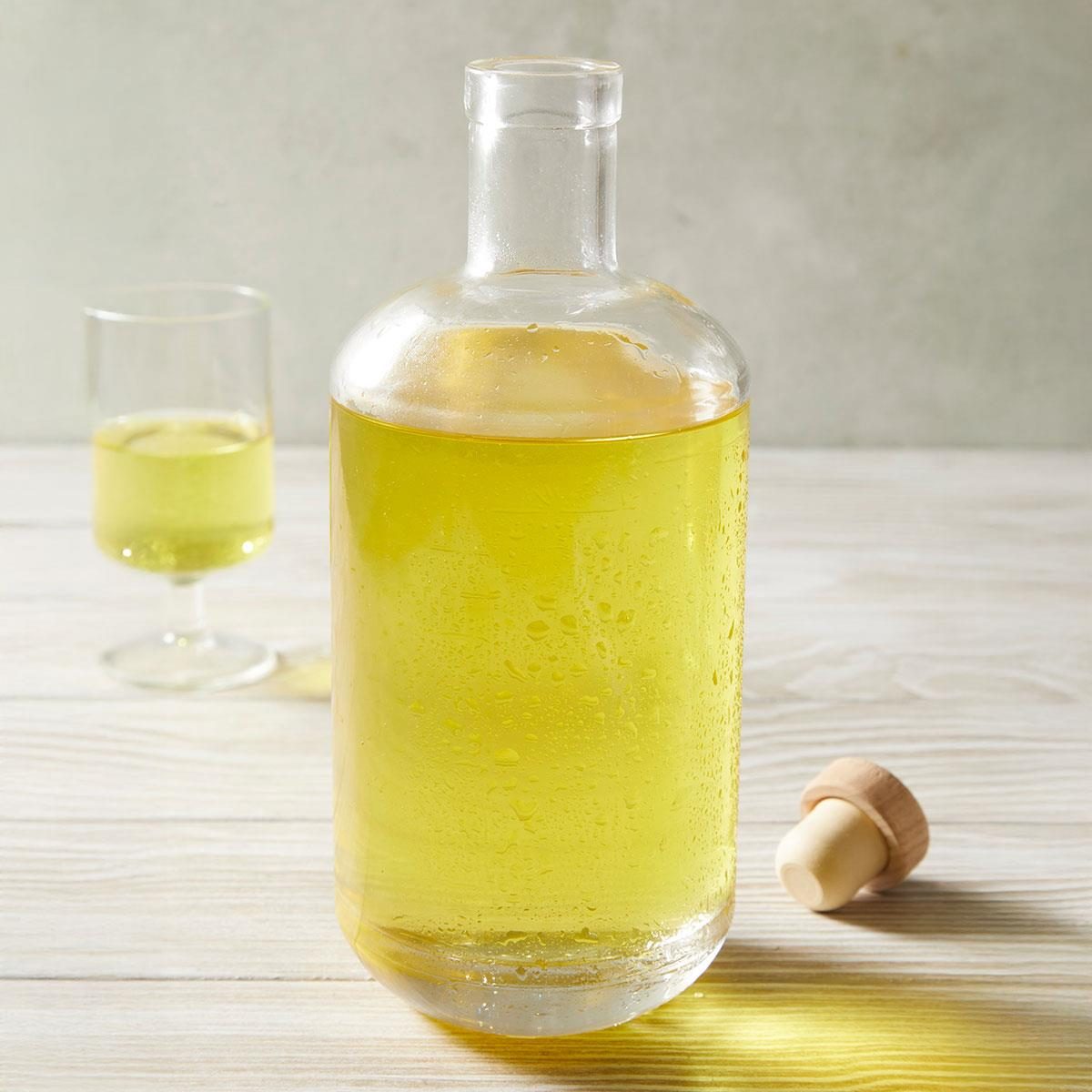
When life gives you lemons, make limoncello! Turn everyday lemons (and vodka) into something spectacular for sipping, for a cocktail or for dessert.
You don’t need a distillery at your house to make limoncello—just a pile of lemons, a little patience and a willingness to wait for good things. Yet your friends will think you’re a professional distiller when you pour them their first sip. This homemade limoncello recipe is sunshine in a bottle, delivering brighter, smoother lemon flavor than anything you’ll find at the store.
Homemade limoncello liqueur is surprisingly simple to make, and the payoff is a silky, citrus-forward sip that feels equal parts Italian vacation and kitchen science experiment. Serve it after dinner, stash it in the freezer, sneak it into cocktails or use it as the secret weapon in limoncello recipes that need a jolt of citrus confidence.
What is limoncello?
Limoncello is a traditional Italian lemon liqueur made by steeping lemon peels in alcohol, then sweetening the infusion with simple syrup. It’s typically served icy cold as a digestif imbibed after dinner, or think of it as a fancy way of serving a little treat after a big meal! The flavor is intensely lemony but not sour, with a silky texture that feels more luxurious than its short ingredient list suggests.
Limoncello Ingredients
- Lemons: Lemons are the star of this homemade limoncello recipe, delivering vibrant citrus flavor and aroma. Since you’re using peels, your citrus should be clean—so make sure you clean your lemons by rinsing them under cool water first and using a vegetable brush on them (if you have one). Otherwise, unwaxed lemons would be ideal if you can find them.
- Vodka: Vodka acts as the flavor extractor, pulling essential oils from the lemon peels as they steep. Higher-proof vodka works especially well for a more lemony homemade limoncello liqueur because it binds to lemon oils more effectively. If you want a milder liqueur, 80-proof vodka will do the trick.
- Water: Water is used to mellow the alcohol and create balance once the lemon infusion is complete. It helps turn potent lemon vodka into a smooth, sippable liqueur.
- Sugar: Sugar sweetens the mixture and rounds out the sharp citrus notes. Once dissolved into a simple syrup, sugar gives limoncello its signature silky texture.
How to Make Homemade Limoncello
Step 1: Peel the lemons

Using a vegetable peeler, peel the rind from the lemons and set the fruit aside for another use. With a sharp knife, scrape away the white pith from the peels and discard the pith.
Editor’s Tip: Go slow when peeling so you get as much yellow zest and as little white pith as possible, since pith adds bitterness. Juice leftover lemons for homemade lemonade or any other recipe with fresh lemons.
Step 2: Infuse the vodka

Place the lemon peels and vodka in a large glass or plastic container, then cover it and let it stand at room temperature for at least two weeks, stirring the mixture once a week.
Editor’s Tip: Keep the container out of direct sunlight to preserve the fresh lemon flavor.
Step 3: Make the simple syrup

When the two weeks are up, bring the water and sugar to a boil in a large saucepan. Then reduce the heat and simmer, uncovered, for 10 minutes. Cool completely.
Step 4: Strain and sweeten the vodka mixture

Strain the vodka mixture, discard the lemon peels, and return the infused vodka to the container. Stir in the cooled sugar mixture.
Step 5: Bottle the limoncello and let it rest

Pour the limoncello into glass bottles and seal them tightly. Let the bottles stand for another two weeks to allow the flavors to fully meld. Serve chilled.

Limoncello Variations
- Switch to Meyer lemons: Replace regular lemons with Meyer lemons to create a softer, sweeter homemade limoncello liqueur with floral notes. This variation is especially lovely for sipping straight.
- Sweeten it up: Increase the sugar and water to a 1:1 ratio if you prefer a dessert-style liqueur. This version works beautifully in limoncello recipes for baking and cocktails, such as this lemon meringue pie cocktail.
- Add fun flavor: Add a small sprig of fresh basil, rosemary or thyme during the infusion stage for a subtle herbal twist. Even peppercorns can add an exciting kick. Remove any additional ingredients when you strain the peels to keep the flavor balanced.
- Try a different citrus: If you really want to exercise your creativity, try this recipe with limes or grapefruit for a different type of tart fruit with a peel.
How to Store Limoncello
Store homemade limoncello in a well-sealed glass bottle or jar in the refrigerator to preserve its fresh flavor. Proper storage keeps your homemade limoncello recipe tasting bright and smooth.
How long does limoncello last?
Homemade limoncello lasts about three months when stored in the refrigerator in a sealed glass container. While some say it lasts longer, the flavor is best within that window before it begins to dull.
Can you freeze limoncello?
Yes, limoncello can be stored in the freezer and is often served straight from there. The high alcohol content prevents it from freezing solid, and freezing gives it a classic frosty texture.
Limoncello Tips

Can you use other types of alcohol to make limoncello?
You can make limoncello with your favorite vodka, or use 100-proof vodka or a grain alcohol if you prefer. Higher alcohol contents extract more lemon flavor from the peels. Since the final mixture is diluted with syrup, it will never be as strong as the original alcohol, but it will pack more of a punch and deliver more tart citrus flavor.
What kind of lemons should you use for limoncello?
Any lemon works, but organic or homegrown lemons are ideal since they’re free of pesticides and wax. Meyer lemons are a fun option if you want a sweeter, more fragrant homemade limoncello liqueur.
How do you use limoncello recipes?
Limoncello recipes are wonderful sipped straight or served on the rocks as an after-dinner treat. The limoncello also shines in cocktails, such as in an Ina Garten-inspired limoncello spritz, and it’s a standout ingredient in desserts, such as in limoncello cream pie, limoncello tiramisu and even limoncello cookies.
Directions
- Using a vegetable peeler, peel rind from lemons (save lemons for another use). With a sharp knife, scrape pith from peels and discard. Place lemon peels and vodka in a large glass or plastic container. Cover and let stand at room temperature for at least 2 weeks, stirring once a week.
- In a large saucepan, bring water and sugar to a boil. Reduce heat; simmer, uncovered, for 10 minutes. Cool completely.
- Strain vodka mixture, discarding lemon peels. Return mixture to container; stir in sugar mixture. Pour into glass bottles; seal tightly. Let stand for 2 weeks. Serve chilled.

Loading Popular in the Community
This limoncello is better than any store-bought version. It's perfect as an after-dinner treat on its own or whipped up in a cocktail. —Jenni Sharp, Milwaukee, Wisconsin
Recipe Creator
Loading Reviews

