
Adding sweet potatoes to your weekly meal plan is a delicious way to get a boost of nutrients and fiber. Here, we gathered our top sweet potato tips so you can bake, roast or mash them with confidence.

Start with Firm, Smooth-Skinned Sweet Potatoes
For the best flavor and color when cooking sweet potatoes, it’s essential to know how to shop for and pick out the tubers. Even a blue-ribbon sweet potato is going to look a little knobbly and speckled, so pay more attention to the texture and integrity of the skin than bumps when judging freshness. You’ll want sweet potatoes with smooth skin and no cracks, as cuts, gouges and bruises mean they have already started to go bad. Finally, pass on any with wrinkled skins, which can indicate an old, dry sweet potato.
Sweet potatoes can range from a few ounces to almost a pound, so consider the recipe when choosing a size. If you are planning to chop it for a stew or soup, the total weight matters more than the individual size. For wedges or whole roasted sweet potatoes, choose smaller, evenly sized potatoes to make prep easier and cook times shorter.

Store Sweet Potatoes in the Pantry
You should store sweet potatoes just as you store potatoes and onions: in a cool, dark place, such as a pantry, separate from onions. It’s tempting to refrigerate all your produce, but that is too cold for sweet potatoes and will change their cell structure and make them hard in the center even after they’re cooked. The custardy, silky texture of cooked sweet potatoes is part of their appeal, so don’t ruin it before you start. To keep your pantry tidy, use one of the best potato storage containers to hold them.

Give Them a Good Scrub
Since sweet potatoes grow in the ground, their thin skin can hold embedded dirt or grit. To avoid any surprise earthy bits in your sweet potato casserole and remove most pesticide residues, rinse them under cool running water (no soap needed) and gently scrub them with a clean vegetable brush. Then dry them well to wipe off any remaining dirt. Wait to wash the potatoes until you are ready to use them to prevent mold or spoilage.
Make Sure to Eat the Skins
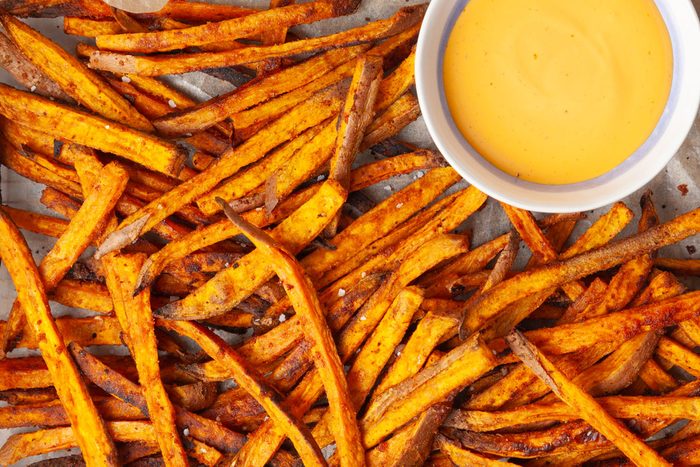
Sweet potato skins are thin, edible, and packed with nutrients and fiber, so leaving them on is an easy way to boost your nutrition. Although the skin doesn’t get as crispy as a russet potato’s skin, it’s tender and easy to eat when roasted or baked, as in this homemade baked sweet potato fries recipe. Also, the skin traps steam as the whole sweet potato bakes, helping the interior become soft and stay moist.
There are a few recipes for which removing the skin is best because the recipe hinges on a smooth, velvety texture, as in this slow-cooker sweet potato soup or sweet potato gnocchi. Boiled sweet potato skins, in general, are more chewy than tender, which is why most soup and stew recipes call for peeled sweet potatoes. A simple vegetable peeler is enough to remove the skins quickly. Use a small paring knife to remove any eyes or hidden bits of skin in the potatoes’ curves or bends.
Consider Your Cooking Method
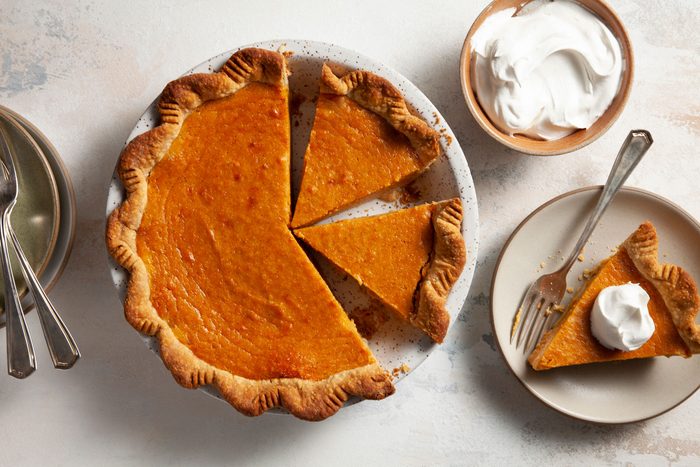
Sweet potatoes can be boiled, baked, roasted, steamed, grilled, or cooked in an air fryer or microwave, but the methods aren’t interchangeable in every recipe. Many sweet potato pie recipes call for boiling the potatoes for the filling, but steaming or baking them instead concentrates their flavor and introduces less water to the recipe, resulting in a browned pie crust and custardy filling. On the flip side, boiling chunks of potatoes for sweet potato puree ensures the potatoes melt into the butter and cream.
The high circulating heat of an air fryer makes the crispiest cubes or wedges, and dropping peeled pieces in a pot of soup or chili adds soft, luxurious bites to the dish. When I’m short on time, I like to combine cooking methods. I will microwave whole sweet potatoes until just tender, then throw them in a hot oven or on the grill to crisp the skin and finish cooking them through.
Sweet Potato Tips FAQ
What is the best method of cooking sweet potatoes?
The best method for cooking sweet potatoes is a personal choice and largely dependent on how much time you have, with whole baked sweet potatoes and casseroles, like sweet potatoes au gratin, needing much more time to cook through than a simple pot of mashed sweet potatoes where the spuds are tender after boiling for 10 to 15 minutes. If you like a slightly crispy and caramelized sweet potato, roasted sweet potatoes are an easy, great choice.
I think making grilled sweet potatoes, my personal favorite method, is sometimes overlooked, yet it is so delicious. The smoky char of a grill deepens the earthy taste of the potatoes and cuts through the sweetness. For a change of pace and texture, I love to shred sweet potatoes, shape them into sweet potato fritters, and pan-fry them until crisp on the outside and soft on the inside. You can’t go wrong with any method!
What is the best way to eat sweet potatoes?
The best way to eat sweet potatoes totally depends on your mood and craving. Because they are so versatile, it’s just as easy to roast sugary glazed sweet potatoes as it is to make loaded taco-flavored stuffed sweet potatoes filled with meat, cheese and guacamole. I’m partial to sweet potatoes flavored with savory herbs, chiles and spices, like these roasted rosemary sweet potatoes and hasselback sweet potatoes, as they contrast with the naturally sweet spuds.
If a pat of butter and a generous sprinkle of brown sugar inside a baked sweet potato is your idea of bliss, there is nothing wrong with that approach either. This sweet potato casserole with pecans that eats like a cross between dessert and dinner is perfect. Don’t forget to eat the skins, too, regardless of how you like to eat sweet potatoes—they are packed with vitamins and fiber.
Can you microwave a sweet potato?
You can easily make a microwave sweet potato if you are short on time or don’t want to turn on the oven. With a fork, poke a few holes in a washed and dried potato to let steam out while it cooks (yes, I have had a potato explode when I forgot to do this!). Then, put it on a microwave-safe plate and microwave for 12 to 14 minutes, depending on size, turning after four minutes, until tender through the center.
There are two issues with using the microwave: Often the potatoes cook unevenly, remaining hard and lumpy in some spots while soft in others, and the skin will never crisp. For crispy skin, microwave the potatoes for five to six minutes, flipping them halfway, and then transfer them to a 425°F oven to finish cooking. If cooking completely in the microwave, check for doneness in several areas of the potato and add additional cooking time as needed until it’s totally soft.
How can you tell when a sweet potato is done?
To check if a sweet potato is done, make sure it’s completely soft and tender throughout—a fork, small thin knife or metal skewer should meet no resistance when poked into the center. Since every sweet potato varies in size and thickness, you can’t simply trust that it will cook in a specific amount of time or you could end up with something hard and crunchy, which I assure you isn’t pleasant.
Although some people like to bake whole sweet potatoes until the skin is a deep brown and the interior has essentially turned into pie filling, you can overcook sweet potatoes. The natural sugars in the potatoes will caramelize in the oven to a lovely, rich brown, but eventually that sugar will blacken and become bitter. Use the recipe’s timing as a guide, but keep an eye on your potatoes so they don’t get under- or overcooked.