Filling foods that contain protein, fiber and healthy fats help you stay satisfied longer, curb cravings and power your day with steady energy. From breakfast to snacks, including more filling foods can make healthy eating easier and more sustainable.
Potatoes and Sweet Potatoes
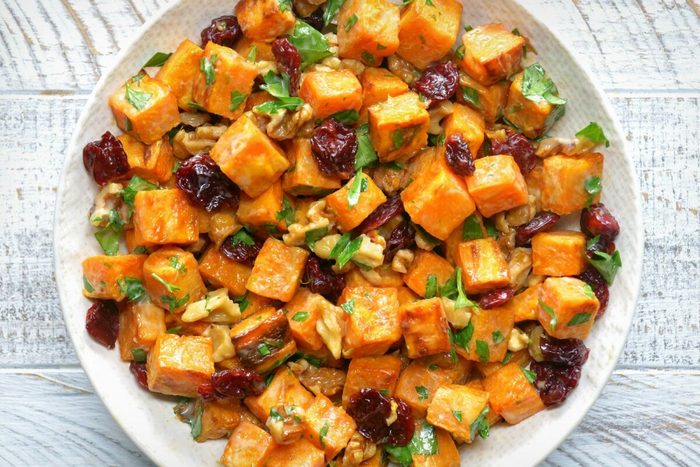
Potatoes and sweet potatoes are surprisingly filling thanks to their high fiber and water content, which add bulk without many calories. A medium baked potato or baked sweet potato provides complex carbohydrates that digest slowly, helping you feel satisfied for hours. Enjoy them baked, roasted or mashed as a side dish, or cube and toss them into grain bowls and salads for a hearty addition.
Lean Proteins
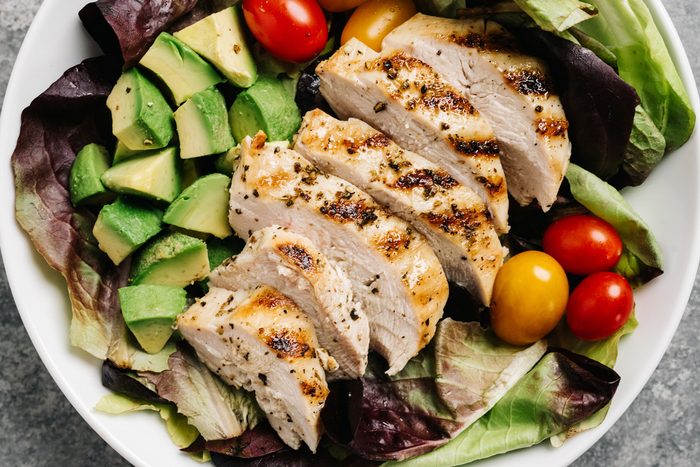
Lean proteins, including chicken, turkey, lean beef and fish, are filling because protein slows digestion and helps regulate your appetite. Baking, roasting or grilling are simple, healthy cooking methods that keep calories in check. Add lean proteins to salads, grain bowls, stir-fries or omelets, or enjoy a small portion of roast turkey or chicken with cheese and veggies for an easy snack between meals. If you don’t have time to cook, try one of these healthy recipes with rotisserie chicken.
Greek Yogurt
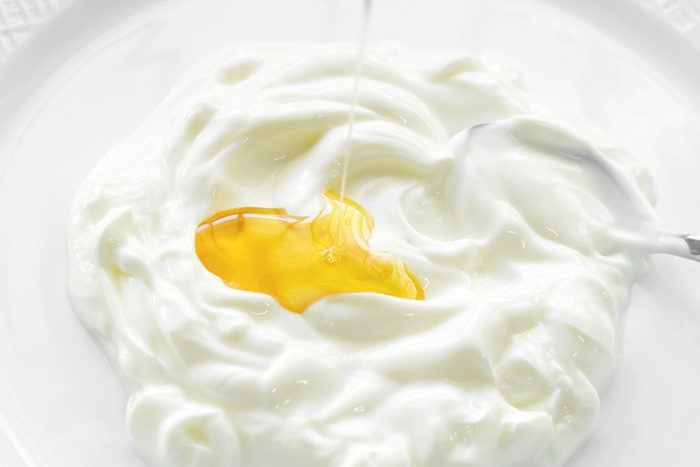
With twice the protein of regular yogurt, Greek yogurt is thick, creamy and satisfying. A serving of plain Greek yogurt can help keep you full while providing calcium to support healthy bones and probiotics for digestive health.
Choose plain, unsweetened Greek yogurt so you can control the added sugar. Enjoy it with a drizzle of honey, a handful of berries and a sprinkle of nuts or seeds for a balanced breakfast or snack. You can also blend it into smoothies for extra creaminess and tang, or substitute it for sour cream or mayonnaise in dips and savory dishes for a lighter taste and added protein.
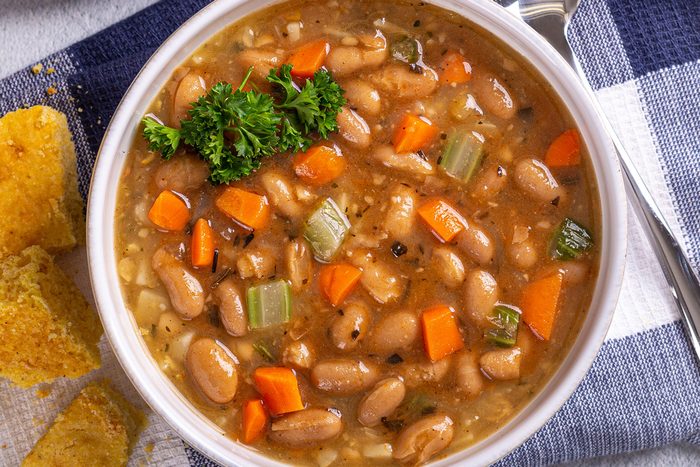
Beans and Lentils
Beans and lentils are incredibly filling because they’re high in fiber and plant-based protein. 1/2 cup of cooked beans or lentils provides a satisfying amount of both nutrients, along with iron and other essential minerals. Puree white beans to make soups creamy without dairy, add black beans or lentils to taco meat or grain bowls or use them as a topping for salads. For a quick snack, make a batch of hummus or roasted chickpeas.
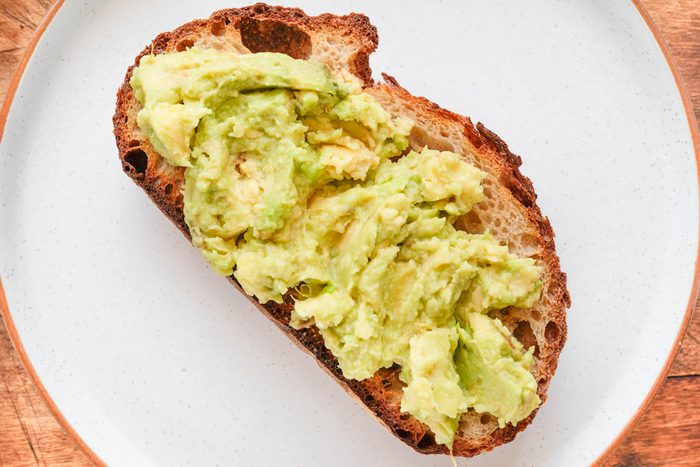
Avocados
Avocados get their rich, creamy texture from heart-healthy monounsaturated fats. Technically a fruit, avocados are also an excellent source of fiber, vitamins and minerals. Spread avocado on toast, dice it for salads, blend it into smoothies for a silky texture or mash it into guacamole to top eggs, tacos or sandwiches with extra-filling nutrition.
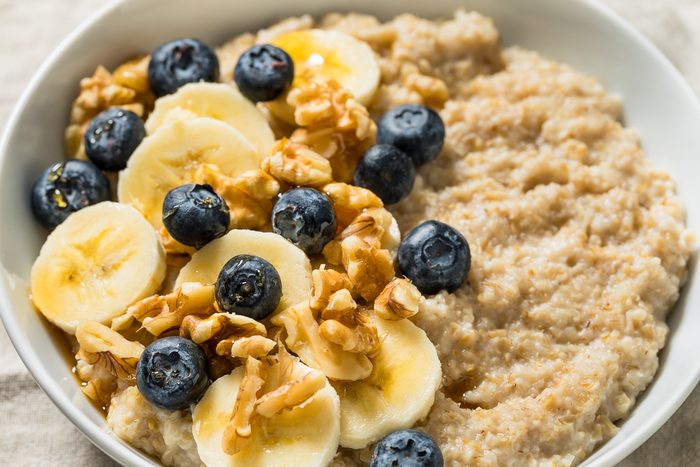
Oats
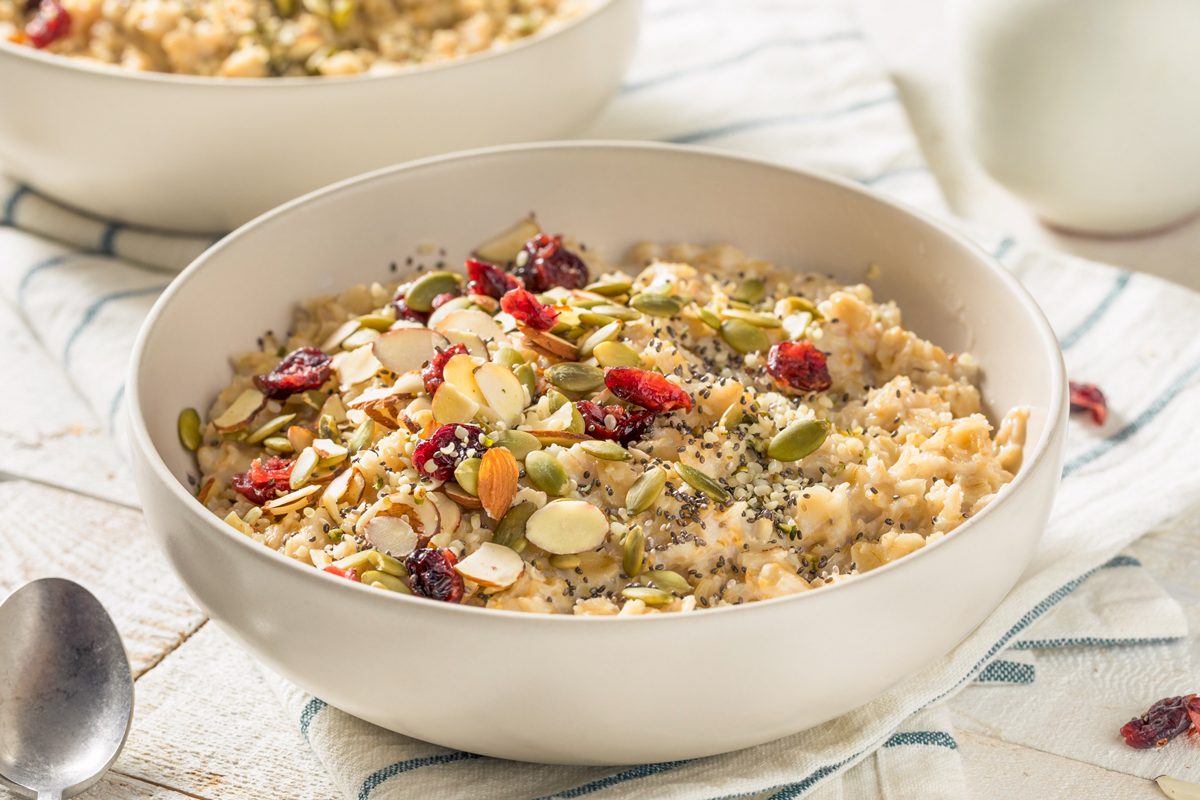
Oats are a filling whole grain that are low in calories and high in fiber. Skip the sugary packets of flavored instant oatmeal and make your own easy oatmeal recipes at home. You can add sweet or savory toppings to cooked oats, blend uncooked oats into smoothies for a slightly nutty taste or make overnight oats recipes to boost your morning.
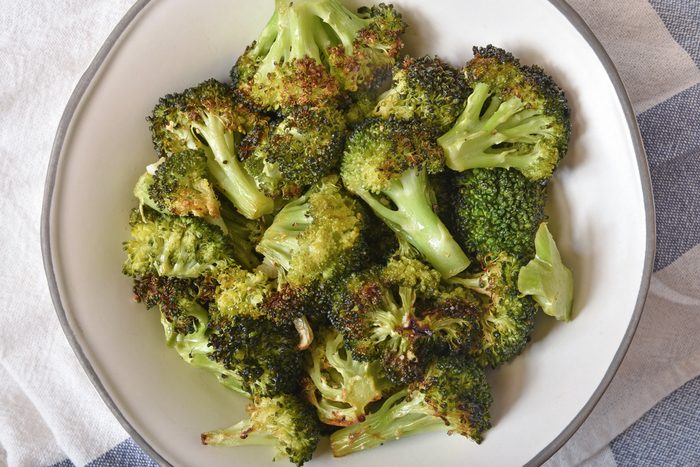
Fiber-Rich Vegetables
Fiber-rich vegetables include cruciferous vegetables such as broccoli, cauliflower and Brussels sprouts, as well as carrots, leafy greens and bell peppers. These vegetables are low in calories, which means you can eat a generous portion and feel full without overeating. Include a variety of these veggies throughout your day by adding them to salads, soups, stir-fries and omelets. Roast a big tray of veggies for a dinner side dish or snack on them raw with healthy dips.
Fruits
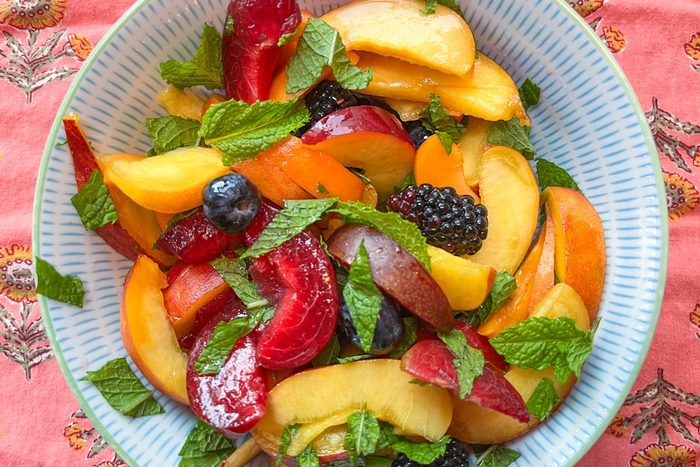
Most fruits are high in fiber and water, which help fill you up without adding many calories. 1 cup of raspberries contains about 8 grams of fiber, but other berries, apples, pears, citrus fruits, kiwi and melon are also satisfying choices.
Enjoy a serving of fruit on its own with meals or as a snack, add it to oatmeal and yogurt parfaits or blend it into fruity shakes and smoothies to sip on. Apples, oranges and berries are also wonderful additions to fresh salads.
Chia Seeds
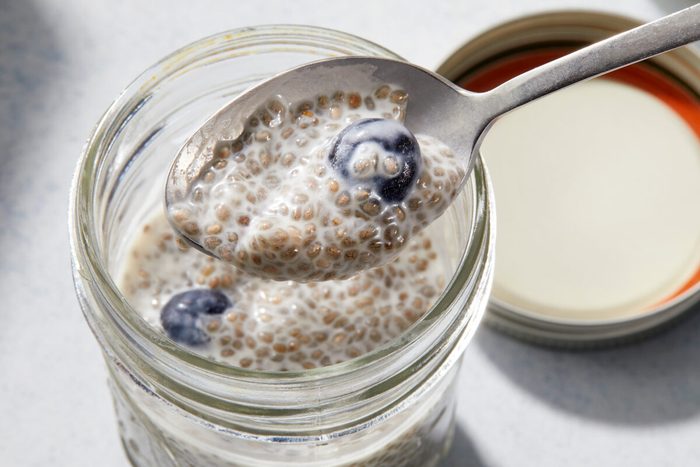
2 tablespoons of chia seeds may not look like much, but they contain 5 grams of fiber, 4 grams of protein and healthy fats. As chia seeds absorb liquid, they form a gel that keeps your stomach full for hours. Sprinkle chia seeds on yogurt, oatmeal or salads, mix them into smoothies or make chia seed pudding for a simple, filling snack or breakfast.
Eggs
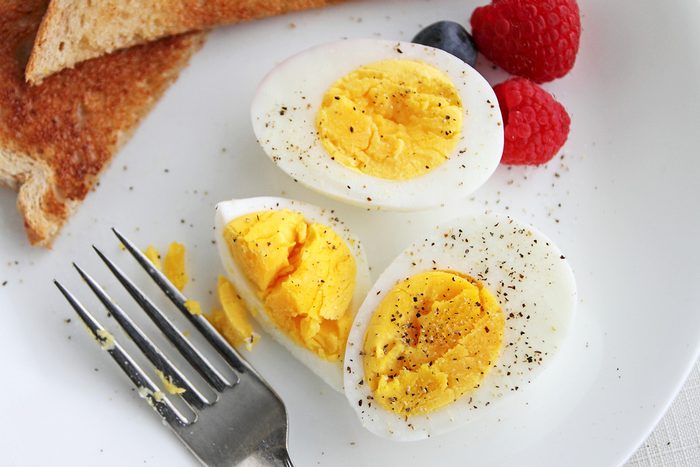
Eggs are a versatile, protein-rich food that also contains healthy fats. Enjoy eggs scrambled with vegetables, baked into frittatas and breakfast casseroles or make hard-boiled eggs for quick snacks. For something different, try other ways to enjoy eggs beyond breakfast for lunch or dinner.
Cottage Cheese
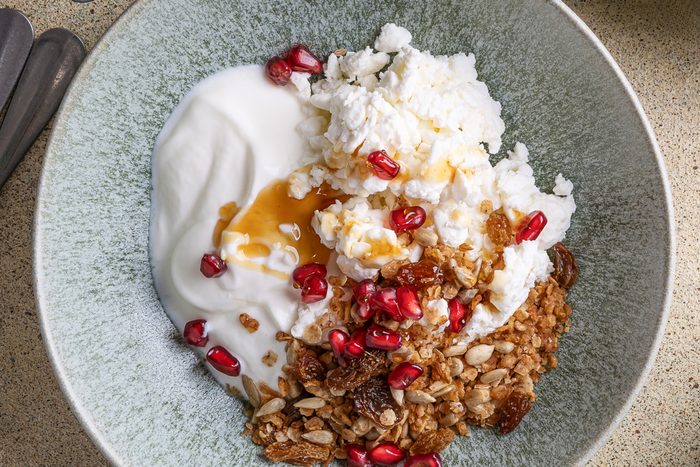
Cottage cheese is a creamy, high-protein dairy option that’s also rich in calcium. 1/2 cup provides about 15 grams of protein, and the combination of protein and modest fat content helps keep you satisfied.
There are many sweet and savory recipes using cottage cheese that make it easy to get through the carton. Enjoy cottage cheese topped with fresh fruit, such as juicy berries or pineapple, for an added fiber boost. You can also use it as a substitute for ricotta or blend it into smoothies and dips for a filling, protein-rich boost.

Quinoa
Quinoa is a filling whole grain that’s high in both fiber and protein, making it a satisfying choice for breakfast, lunch and dinner. Use quinoa as a base for grain bowls or whole grain salads, like this colorful quinoa salad. You can also simmer it in soups, try a hearty quinoa breakfast bowl (it’s like oatmeal!) or enjoy it as a fluffy side dish instead of rice or pasta.
Nuts
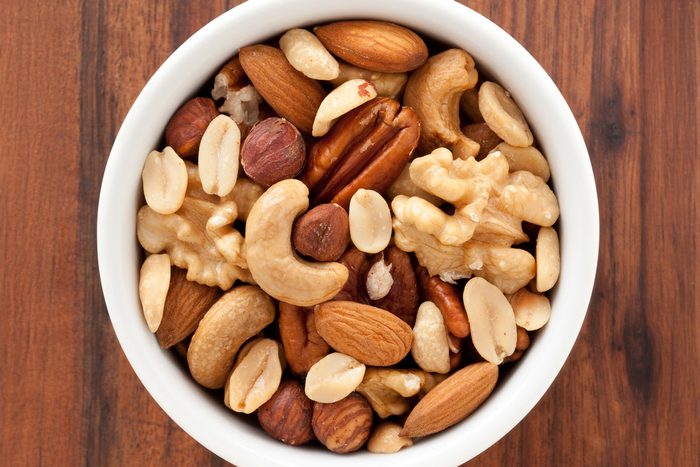
Nuts hit the trifecta of being rich in healthy fats, protein and fiber. Almonds, walnuts, pistachios and cashews make for easy, satisfying snacks. For healthy ways to add nuts to your diet, try combining your favorites into a trail mix or sprinkling them on oatmeal, yogurt or salads for added crunch.
Nuts are calorie-dense because of their fat content, so to be mindful of how much you are eating, it helps to pre-portion them into snack bags or containers, or pick up 100-calorie nut packs at the grocery store.

Popcorn
Popcorn is a low-calorie, high-fiber snack that’s perfect for staying full between meals. The key is to stick with air-popped popcorn and skip added butter and oil to keep it light. Enjoy popcorn on its own for a crunchy snack or make a flavored popcorn recipe with spices like paprika and garlic powder, or nutritional yeast for a cheesy vibe. Combine it with nuts and seeds for a fiber- and protein-packed snack mix that’s easy to take on the go.
Filling Foods FAQ
Which foods keep you full the longest?
Foods that are good sources of protein, fiber and/or healthy fats keep you full the longest, such as fruit, vegetables, beans, lentils, nuts, seeds, whole grains, eggs and lean meats. These options slow digestion and help maintain steady blood sugar levels. Combining these foods, such as a green salad with grilled chicken and avocado or oatmeal with nut butter and fruit, makes meals even more satisfying and helps curb hunger between meals.
What are the best filling foods for breakfast?
The best filling breakfast foods combine protein, fiber and healthy fats, such as eggs with sauteed or roasted vegetables, Greek yogurt with berries and nuts and whole-grain toast with avocado, to keep you energized throughout the morning. Adding extra fruits or vegetables whenever possible boosts fiber and volume, helping you stay fuller for longer.
What foods are filling but low in calories?
Foods that are low in fat, high in fiber and have a high water content tend to be filling without packing many calories. Think vegetables like broccoli, leafy greens and bell peppers, and fruits like berries, apples and melon.
Lean proteins, like deli turkey or cooked chicken breast, are also relatively low in calories, and the high protein content helps you stay full. Soups and salads loaded with vegetables and plain, air-popped popcorn are other high-volume, low-calorie options that can help you feel satisfied without overeating.