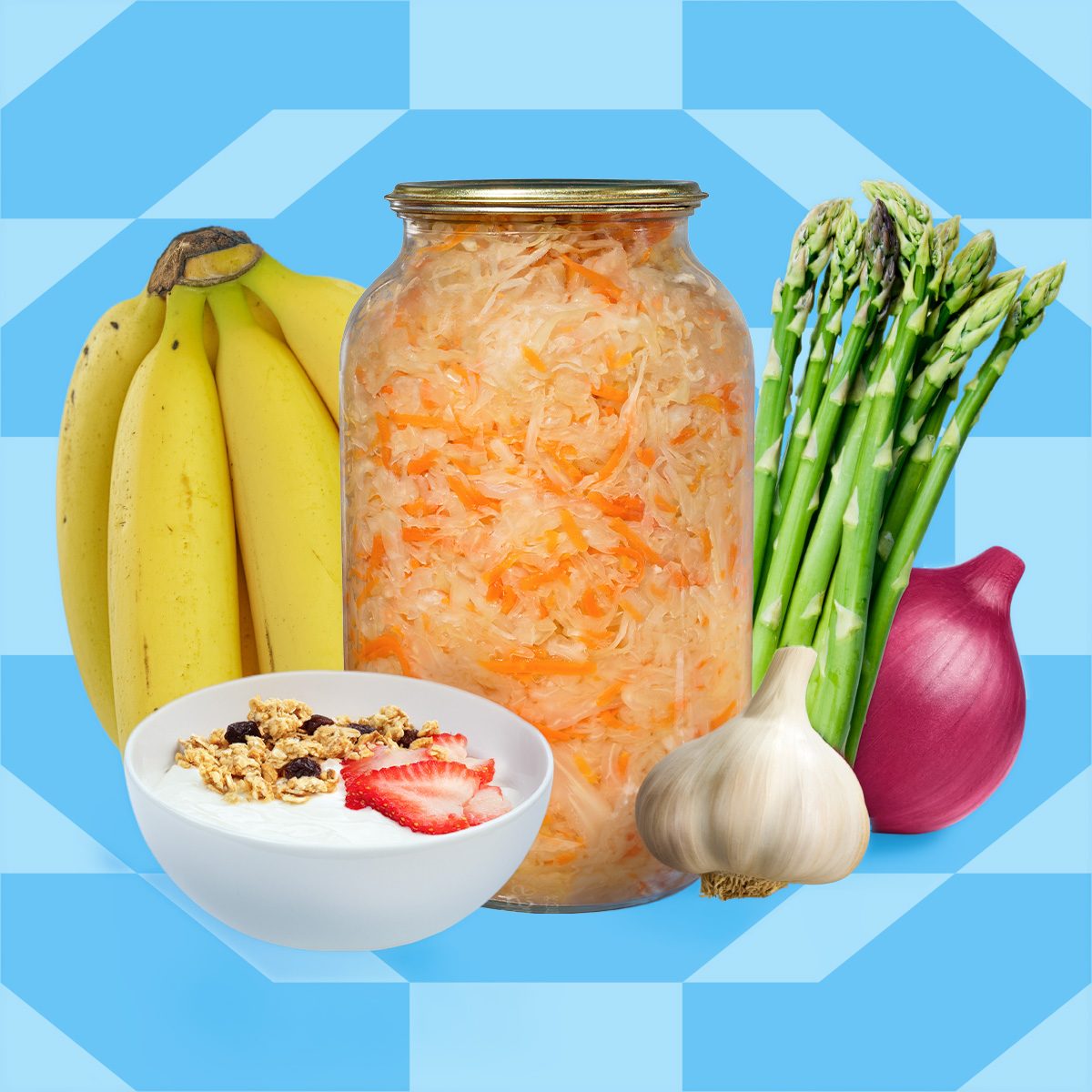
Prebiotics and probiotics may sound like confusing terms, but they’re both key players in gut health. Discover the difference between the two, and the foods you can eat to include them in your diet.
If there was one nutrition buzzword that seemed to be everywhere in 2025, it was “prebiotic.” When prebiotic sodas (aka fizzy fiber drinks) made a splash and classic colas got a gut-health glow up (looking at you, Pepsi), we knew this trend was here to stay. While prebiotics are having a moment, many of us are already familiar with their longtime counterpart: probiotics.
So what’s the difference—and why does it matter in the kitchen? We’re breaking down prebiotic and probiotic foods, why both are essential for gut health, and easy ways to make them part of your daily routine. The big takeaway? Prebiotics and probiotics work best together, and including both in your diet offers big-time health benefits. Basically, a happy gut = a happy life!
Prebiotics vs. probiotics: What are they?
Prebiotics and probiotics are both beneficial components found naturally in a variety of foods that support gut health. While they work together in the gut, they’re not the same. Each is found in different types of foods and plays a unique role in how your gut functions.
Prebiotics are types of fiber found in many plant-based high-fiber foods like fruits, vegetables and whole grains. Your body doesn’t digest this fiber; rather, the fiber provides fuel to keep the beneficial organisms living in your gut alive and thriving.
Probiotics, on the other hand, are live microorganisms, like bacteria and yeast, that help maintain your gut microbiome. They’re naturally present in fermented foods like yogurt and sauerkraut.
Prebiotics and probiotics work together to support optimal wellness. You can think of prebiotics as the meal and probiotics as the dinner guests. When probiotics are “fed” by prebiotics, they’re better able to do their job—which is to regulate your digestive system and keep your gut health in check.
Foods High in Prebiotics and Probiotics
You don’t have to look further than your kitchen to find prebiotics and probiotics. They’re present in plenty of everyday foods you’re probably already cooking with.
Foods high in prebiotics
- Allium vegetables, including onions, leeks, shallots and garlic
- Apples
- Asparagus
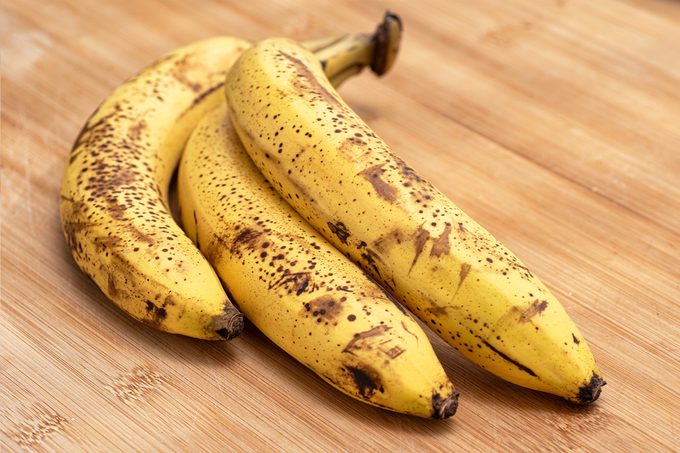
- Bananas
- Barley
- Berries
- Chia seeds
- Flaxseed
- Leafy greens, including collard greens, spinach, dandelion greens, mustard greens and Swiss chard
- Legumes, including beans, lentils and soybeans
- Jerusalem artichokes (sunchokes)
- Jicama
- Mushrooms
- Nuts
- Oats
- Whole wheat bread, cereal and pasta
- Wheat bran
Foods high in probiotics
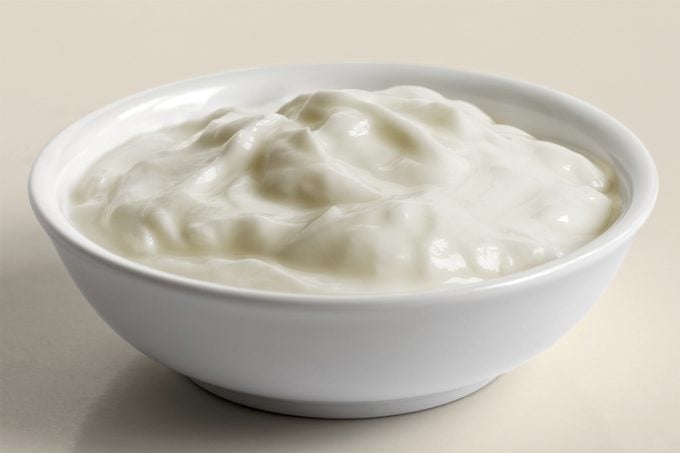
- Yogurt
- Kefir
- Cottage cheese
- Buttermilk
- Miso soup
- Sauerkraut
- Kimchi
- Pickles
- Kombucha
- Tempeh
What are the health benefits of prebiotics and probiotics?
Prebiotics and probiotics support gut health by helping beneficial bacteria thrive in your digestive tract. They work together to keep the gut ecosystem in balance: Prebiotics nourish the good bacteria already in your gut, while probiotics add more of them. Together, they can help support:
- Digestive comfort: By feeding and replenishing the good bacteria in your gut, prebiotic- and probiotic-rich foods help keep digestion running smoothly and support regularity.
- Immune health: A healthy gut supports a strong immune system, so including a variety of prebiotic- and probiotic-rich foods in your diet is an easy way to support your body’s natural defenses.
- Nutrient absorption: When your gut is functioning well, it’s better able to absorb and use the nutrients from the foods you eat.
- Weight management: A balanced gut may help regulate appetite and enhance feelings of fullness after eating, making it easier to maintain a healthy weight.
- Brain health: The gut and brain are closely linked, so supporting gut health with prebiotic- and probiotic-rich foods may also boost mood, focus and overall brain function.
For most people, eating foods with prebiotics and probiotics daily is safe and beneficial, though not every food agrees with everyone. How you feel is often the best indicator that they’re working for you. If you have specific concerns, it’s always smart to check in with your doctor.
How to Add Prebiotics and Probiotics to Your Diet
Gut health supplements are everywhere, but you don’t need pricey pills or powders to reap the benefits of prebiotics and probiotics. The easiest (and most delicious!) way to add more of both to your diet is by including gut-friendly foods in your everyday meals and snacks.
To boost prebiotic intake, aim to include at least one fruit or vegetable with each meal and snack. You can also look for simple ways to work fiber-rich foods into your favorite recipes.
Start pasta sauces and stir-fries with an aromatic base of sauteed onions and garlic, cozy up to a warm bowl of stovetop oatmeal for breakfast—try chilled overnight oats during warmer months—or use barley instead of rice in hearty soups, savory risotto or a beefy skillet dinner. Canned beans are another easy win; add them to salads, taco fillings, chili recipes and more.
For probiotics, try to enjoy one to two servings of fermented foods each day. Keep kefir or your favorite yogurt on hand for making extra-creamy fruit smoothies, or layer yogurt with berries and granola to make satisfying breakfast parfaits. Protein-packed cottage cheese is a nutritious snack on its own, but it also blends well into smoothies, dips and even ice cream.
Keeping a jar or two of fermented veggies in the fridge is a gut health must-have for me! You can make sauerkraut, kimchi or pickles at home, or buy them at the store—just look for refrigerated options labeled with “live and active cultures” to ensure they contain probiotics. Add them to sandwiches, salads, eggs or grain bowls for a pop of tangy, briny flavor, or get creative with recipes like pickle de gallo or fresh, crunchy Korean tacos.
The bottom line? Eating a variety of prebiotic- and probiotic-rich foods is a tasty way to give your gut a wide range of nutrients and different types of beneficial bacteria.
Related: