There are many types of canned beans, from kidney to garbanzo, that deserve a place in your pantry. Learn how to put the budget-friendly staple to delicious use, adding flavor, texture and nutrition to meals and sides.

Black Beans
Black beans are small, shiny and jet-black with an oval shape. Sometimes called turtle beans because of their glossy shell, they’re a staple in Mexican and Caribbean cooking. They have a tender texture and mild, earthy flavor that makes them incredibly versatile.
You’ll often find black beans in soups, salads and rice dishes, or mashed into refried beans or dips. Meatless black bean burgers are a popular alternative to beef burgers, and they can even be pureed and baked into black bean brownies!
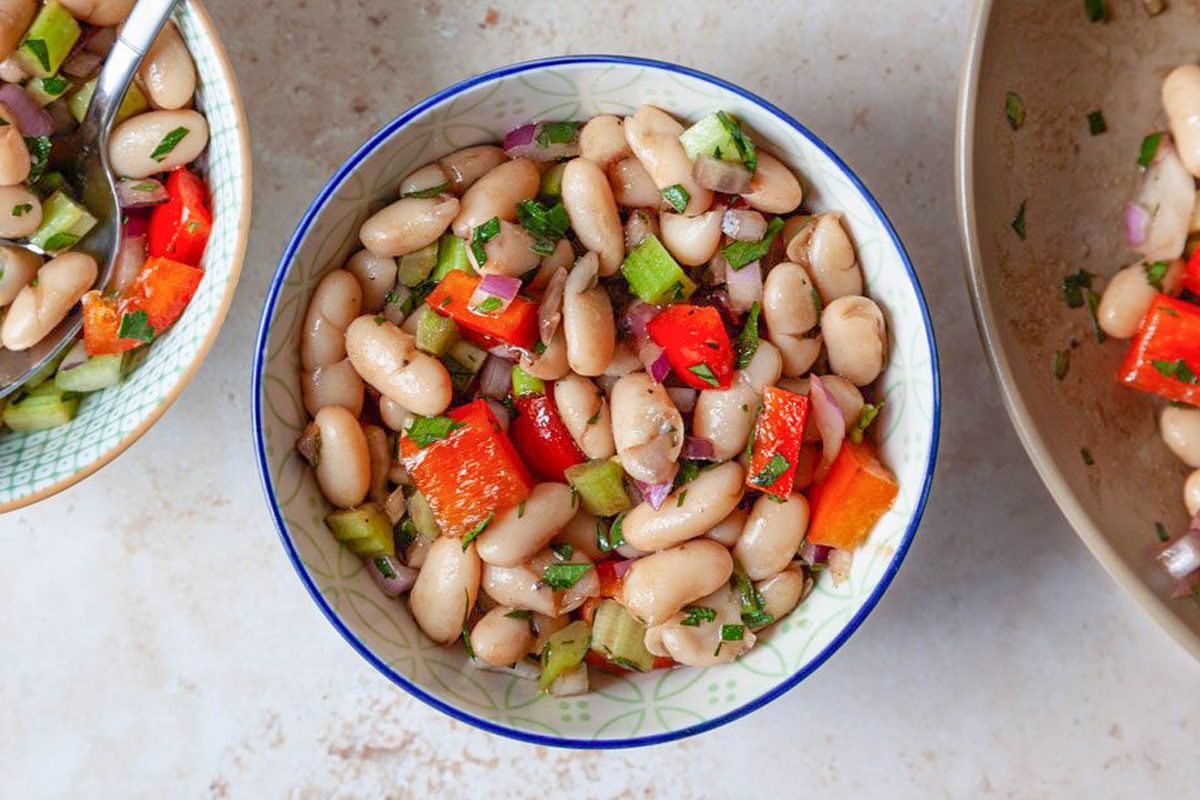
Cannellini Beans
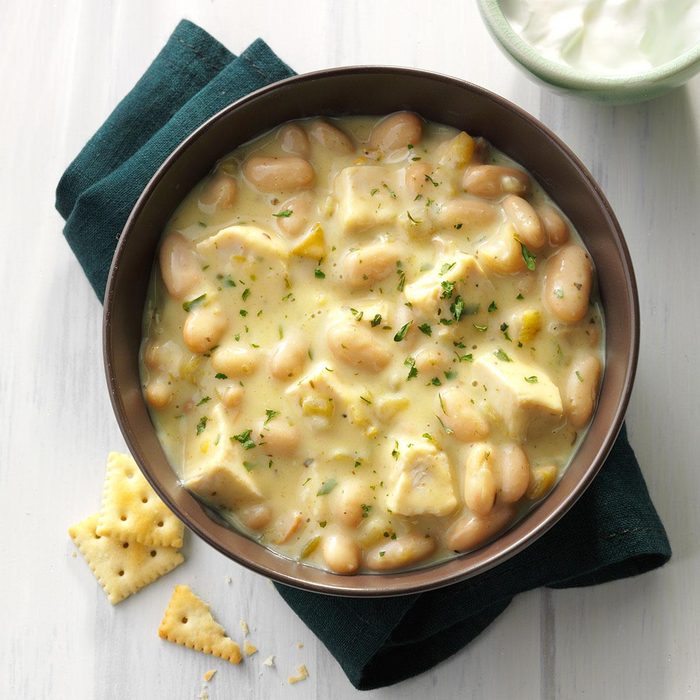
Cannellini beans are large and cream-colored, with smooth skin and a mild, nutty flavor. Also called white kidney beans, they’re common in Italian soups and pasta recipes. They hold their shape well, making them perfect for cozy dishes like slow-cooker pasta e fagiolo and white bean chicken chili. Their creamy texture also makes them ideal for blending into protein-packed dips, like this white bean hummus.
Pinto Beans
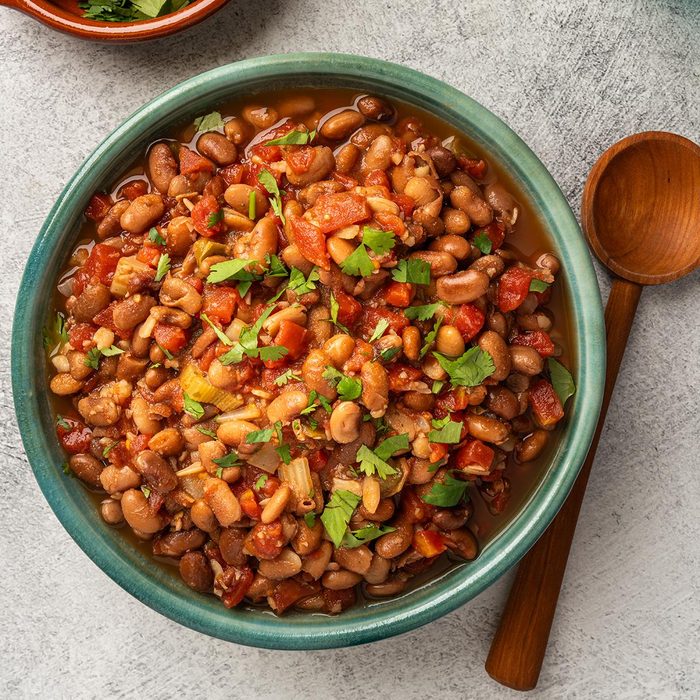
Pinto beans are popular in Mexican and Southwestern cooking. The medium-sized, oval, beige beans have distinctive brown speckles that fade once cooked. They’re best-known for being mashed and fried into refried beans, but you’ll also find pinto beans in many Tex-Mex recipes, including chili and burritos.

Garbanzo Beans (Chickpeas)
Garbanzo beans are round, beige beans with a firm bite and slightly nutty flavor. Also known as chickpeas, they’re a staple in Mediterranean cooking and may be best-known for being blended into hummus. They can also be ground and shaped into balls for crispy falafel or seasoned and baked until crunchy roasted chickpeas. Their sturdy texture makes them a great meat or seafood substitute, like in this vegan chickpea tuna salad.
Canned chickpeas also have a bonus ingredient: the bean liquid, known as aquafaba. It can be whipped and used as an egg substitute for baking or blended into vegan mayonnaise. I sometimes use it in soups and stews instead of plain water to add more body and bean flavor.
Kidney Beans
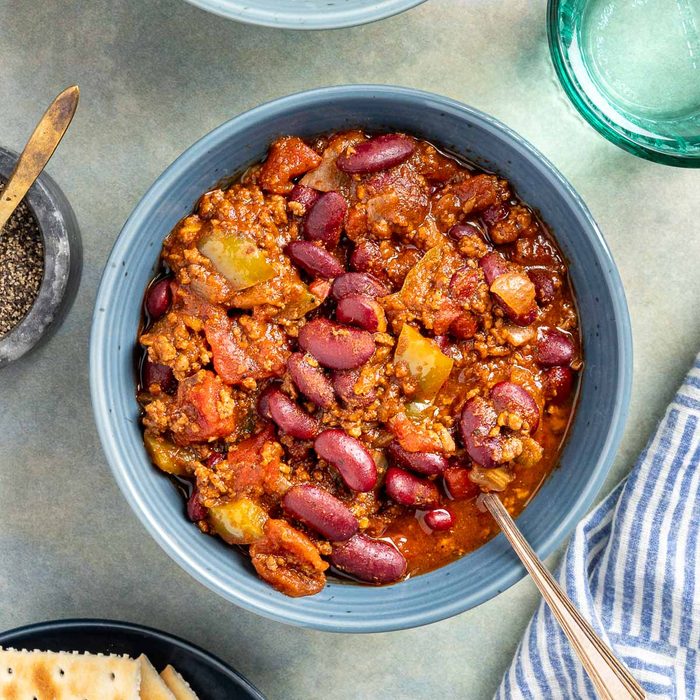
Kidney beans are large and kidney-shaped, with a deep red color and firm skin. They have a hearty texture and hold their shape during long cooking times, making them a go-to for slow-cooker chili recipes and dishes like stewed kidney beans. Kidney beans are also a traditional, vibrant addition in bean salad recipes for picnics and potlucks.

Great Northern Beans
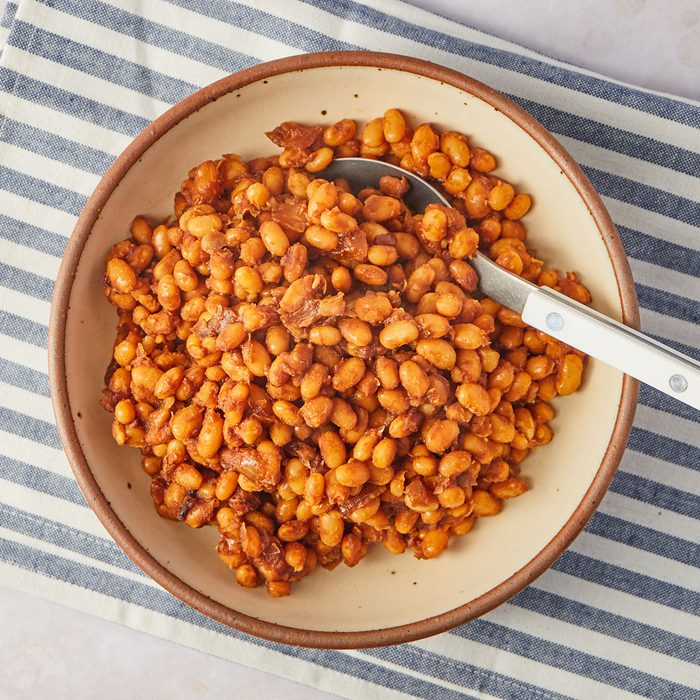
Great northern beans are medium-sized, oval, white beans with a delicate skin. They’re smaller than cannellini beans but larger than navy beans, and they break down easily as they cook, creating a naturally creamy texture that’s perfect for making creamy soups without dairy! The thin skin also allows the beans to soak up the flavors of savory broths and seasonings in dishes like Boston baked beans, ham and bean soup and veggie-packed great northern bean stew.
Navy Beans
Navy beans are small, oval-shaped and bright white, with a soft, creamy texture and mild flavor. They’re best-known as the main bean used in nostalgic American dishes like old-fashioned baked beans and navy bean soup (also called Senate bean soup).
Although most bean varieties are good sources of fiber, navy beans stand out nutritionally as the type of bean with the most fiber. There are roughly 19 grams of fiber in 1 cup of cooked navy beans, which is more than half your daily needs.

Black-Eyed Peas
Black-eyed peas are small, cream-colored beans with a distinctive black marking. As their name suggests, black-eyed peas are not technically beans—but they are part of the legume family and can be cooked the same as other beans. They have a slightly firm texture and a mild, earthy flavor.
They’re common in Southern comfort food recipes and African cuisine. They’re often simmered with greens or smoked meats, or cooked with rice and veggies to make hoppin’ John, a traditional New Year’s Day good luck food.

Lima Beans (Butter Beans)
Lima beans and butter beans are the same bean, but harvested at different stages of maturity. Green lima beans are smaller because they are picked first, while the larger, cream-colored butter beans are picked later. They can be used interchangeably and have a velvety texture and slightly sweet, buttery flavor. Lima beans are a classic ingredient in succotash, lima bean soup and hearty cowboy beans. They’re also great as a simple side dish tossed with a bit of butter and seasoning—the way I enjoyed them growing up!
Red Beans
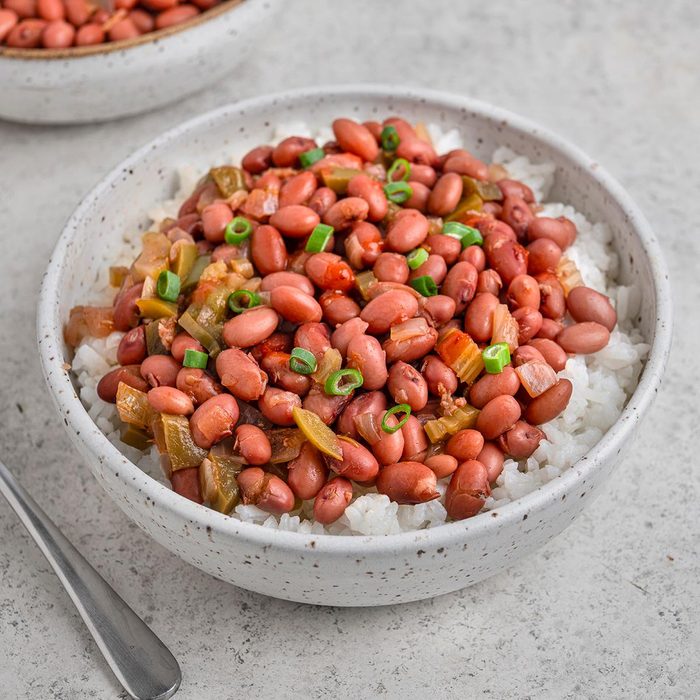
As the name suggests, red beans are deep red in color. They’re often confused with kidney beans, but red beans are smaller and have a softer texture once cooked. They’re best-known for their inclusion in Cajun and Creole-style recipes, such as Louisiana red beans and rice or vegan jambalaya, where their creamy texture helps thicken the dish as they simmer.
Types of Beans FAQ
What are the different types of beans?
There are hundreds of types of beans, which all belong to the legume family, though not all are commonly found in grocery stores. Chickpeas, black beans, kidney beans, pinto beans and cannellini beans are some of the most recognizable bean varieties used in home kitchens. Other legumes include lentils, peas and peanuts.
They’re all a great source of plant-based fiber, protein and a variety of vitamins and minerals. Dried beans require soaking and simmering until tender, while canned beans are ready to use, making them ideal for busy weeknights.
What is the healthiest bean to eat?
Most beans offer similar health benefits and are good sources of fiber, plant-based protein and important vitamins and minerals. Although exact amounts can vary, there’s no one bean that’s healthier than the others. To maximize the nutritional benefits of beans, mix up the types you usually eat to include a greater variety so you get all the nutrients, flavors and textures they offer.
What is the difference between canned beans vs dried beans?
The main difference between canned beans and dried beans is that canned beans are already cooked and ready to eat, while dried beans need to be soaked and cooked before using them. Canned beans can be eaten straight from the can or warmed up and seasoned, if you prefer.
Canned beans are super convenient for quick meals, though they can be high in sodium. Rinsing them after draining helps reduce the salt, or you can purchase no-salt-added canned beans. Dried beans take longer to prepare but are unseasoned and often cheaper per ounce. There are lots of great dried bean recipes and fun uses for dried beans you may not have thought of outside of the kitchen, too! Both are nutritious, so the best option for you comes down to what fits your schedule and cooking preferences.