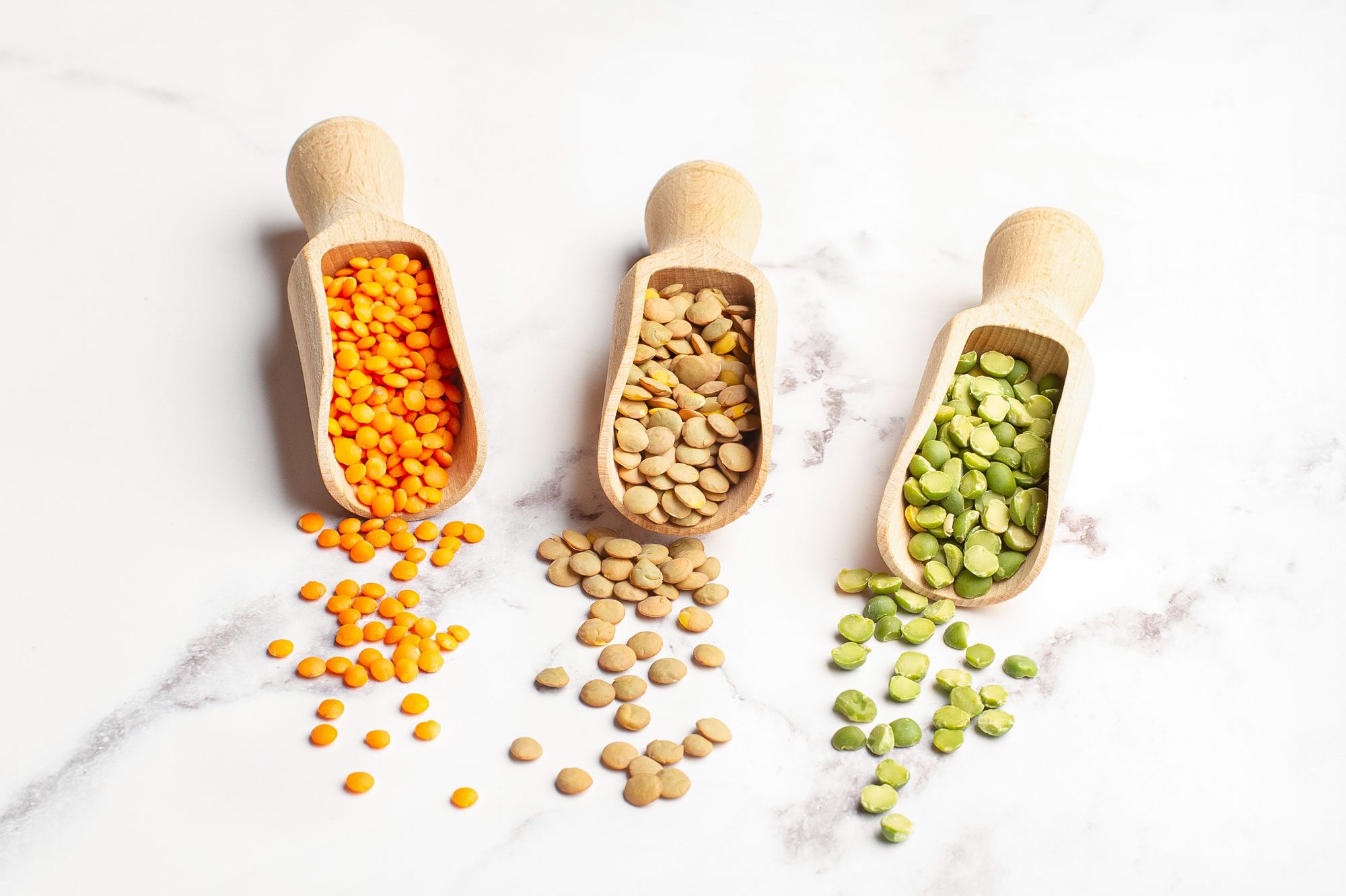
Lentils are little, unassuming and packed with plant-based nutrition, but what are they anyway? This guide explains everything you need to know about different types of lentils and how to cook them.
Lentils are a colorful, earthy addition to your pantry. From a distance, containers of black, green, brown, red and yellow lentils could be mistaken for candies or sprinkles, but these little disks are packed with fiber, protein and nutrients—not sugar. But what are lentils? This guide will break down everything you need to know about the affordable legume, because even though they’re one of the best foods with a long shelf life, many people aren’t sure how to cook or serve them.
If you’re like me, trying to minimize your grocery bill but maximize your protein and fiber intake, it’s worth learning about lentils. Different kinds of lentils have varying flavors and textures. Their meaty bite adds heft to chili and soup recipes, and their quick-cooking ability makes them a perfect fit for 30-minute vegetarian dinner recipes. Incorporating lentils into your meal plan adds variety and recipe options when you need a break from beans, chicken and cottage cheese but still need something easy.
Here, we share all about the various types of lentils and how to use each kind so you can put that package you’ve been kicking around to good use. Make cozy lentil soup recipes or experiment with adding lentils to salads, veggie burgers or tacos. Once you start including them in your meals, you’ll keep finding new ways to enjoy them.
What are lentils?
Lentils are a legume, specifically a pulse, which is a dried edible seed. The legume family also includes beans, peas and peanuts, making lentils similar to those but not the same. Lentils grow in pods on bushy, above-ground plants. When the plants dry and turn brown, the pods are harvested and cracked open to get the lens-shaped lentils.
Lentils are grown and eaten across the world, including in India and around the Mediterranean. Ancient Romans felt lentils symbolized wealth and luck because of their coin-like shape, and modern Italians eat lentils as a traditional New Year’s food for good luck.
Types of Lentils
Brown or Green Lentils
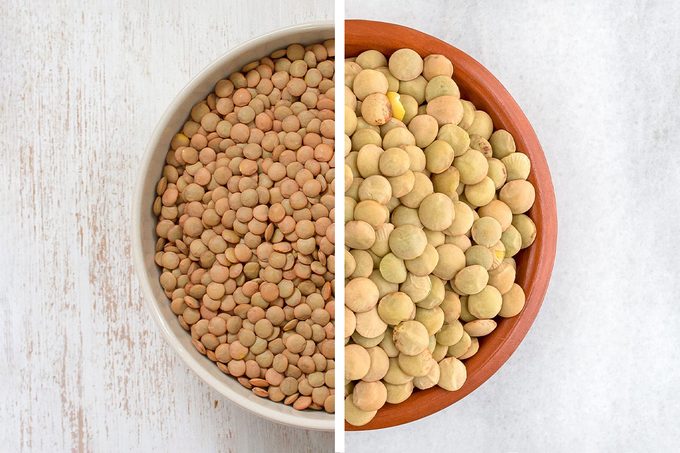
Brown and green lentils are what most people think of when they think of lentils. Many recipes, like this classic lentil soup, call for the option of using either brown or green lentils. Although they are different, both brown and green lentils hold their shape nicely when cooked and have a similar texture, making them interchangeable most of the time. Green lentils tend to be a little larger than brown and take slightly longer to become tender. Brown lentils are mild, while green lentils have a peppery bite.
Recipes to try:
French Lentils (Lentilles du Puy)
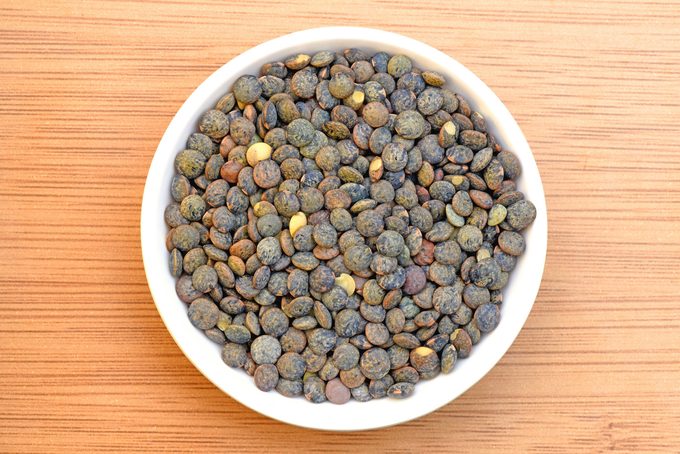
French lentils, with a dark greenish grey color, are a type of green lentil noticeably smaller than brown or other green lentils. Puy French lentils are specifically grown in the Puy region of central France and are prized for their strong, earthy, peppery taste from the local volcanic soil. French lentils hold their shape well and maintain a firm-tender bite when fully cooked. Their texture makes them a great addition to salads mixed with hearty raw vegetables, and they work well in fillings and stuffings.
Try swapping in French lentils in these recipes:
Red Lentils
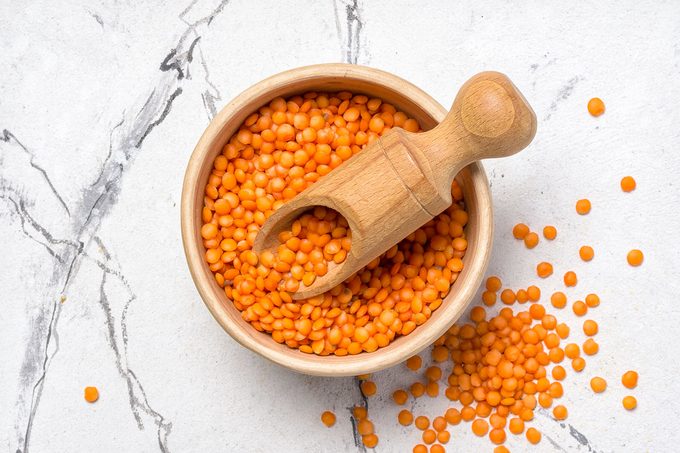
These mild-tasting, split, quick-cooking lentils are not actually red but range from orange to pink when raw and turn a yellowish brown once cooked. They have been hulled, so they are smaller than brown lentils. As they cook, they lose their shape and create a thick porridge-like consistency, which is why they are commonly used to make dal and used in thick dips and soups. You may see them labeled as masoor dal, which is the Hindi and Urdu word for red lentils and the dish you make with them.
Recipes to try:
Black Lentils (Beluga Lentils)
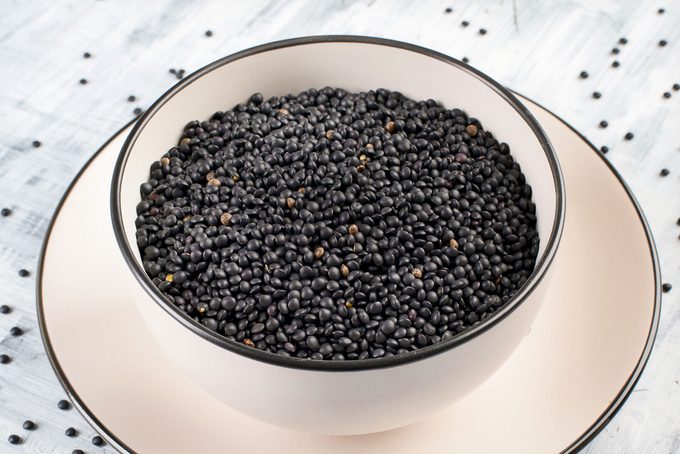
Black lentils, also called beluga lentils, have a glossy black color and are named after their likeness to caviar. They are a very sturdy lentil, holding their shape even during long cooking times. Their earthy, slightly nutty flavor stands up to sharp vinaigrettes in salads or to tomatoes or meat in braised dishes. They are an excellent choice in veggie burger recipes, offering texture against softer grains. Make a ground beef recipe vegetarian by using black lentils instead of meat.
Try swapping in black lentils in these recipes:
Yellow Lentils
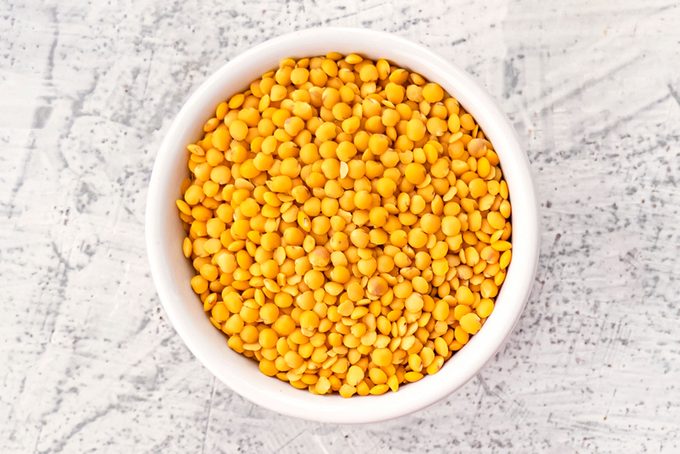
Although yellow lentils are legumes, they are not actually lentils. They’re actually either split mung beans (moong dal) or split pigeon peas (toor dal). They are quick-cooking, similar to red lentils, and lose their shape as they cook, thickening soups and stews. Think split pea soup texture but with a less pronounced pea flavor and a different color. Yellow lentils are commonly used in Indian curry and dal recipes.
Recipes to try:
How to Cook Lentils
- Sort through the lentils: Just like dried beans, bags of dry lentils can contain small stones or bits of plant stems. Even hard bits of dirt may have found their way into the bag. Spread the lentils on a plate or in a shallow bowl, and move them around with your fingertips, looking for anything inedible. Also, pick out and discard any shriveled or discolored lentils that won’t cook properly.
- Rinse or soak them: Rinse lentils under cool running water in a colander or strainer to remove dust or dirt. Soaking lentils will shorten the cook time, which is helpful when you are short on time, but there is no need to soak red or yellow lentils, which already cook very quickly. To soak lentils, place the rinsed lentils in a bowl, cover them with cold water, and let them sit for a few hours or overnight. Drain them before cooking them in fresh water.
- Simmer them on the stovetop: The most basic way to cook lentils is to cover them with cold water in a saucepan, add some salt or aromatics, and bring the water to a boil. Reduce the heat to a simmer and cook the lentils, uncovered, until they are tender. The cook time will differ based on the lentil type and its age. Older dried beans and lentils take longer to become tender. Drain well before using.
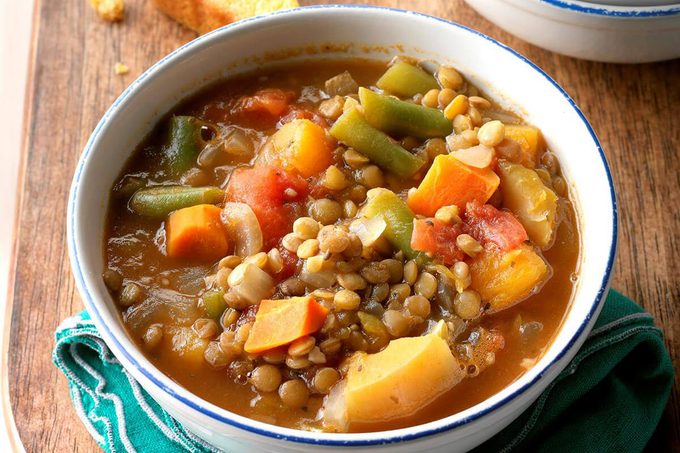
- Use them in your favorite recipe: If you are making soup, lentils can cook right in the broth. Otherwise, you can add cooked lentils to hearty healthy dinner salads, grain bowls, tacos, or meat loaf and meatball mixtures for a boost of fiber and plant-based nutrients.
How Long to Cook Lentils
Lentils cook in 15 to 40 minutes, depending on the variety. You don’t need to soak lentils, but doing so will shorten the cooking time. If you have a pressure cooker, using it for lentils is an easy hands-off way to cook them. Use the times listed below as an estimate, and taste the lentils occasionally to judge doneness.
- Green and brown: 30 to 40 minutes. These lentils are larger than other varieties, so they take a little longer to cook. To prevent them from getting waterlogged, becoming mushy and falling apart, cook them just until the centers are tender.
- French: 25 to 30 minutes. French lentils are slightly smaller than green or brown lentils, but they generally cook in about the same amount of time. Test for a tender yet firm bite before removing them from the heat and draining. Avoid overcooking them to prevent them from absorbing too much water, which will dull their earthy, peppery flavor.
- Red and yellow: 15 to 20 minutes. As these lentils cook, they lose their shape and become porridge-like. Stir them frequently as they cook to prevent them from sticking to the bottom of the pot or burning. When ready, they will be soft and creamy, without a starchy taste.
- Black: 15 to 30 minutes. These tiny lentils cook fairly quickly, but the cooking time will still vary by size and brand. Black lentils retain their shape extremely well, so it’s best to gauge their doneness by their texture. When fully cooked, they will be tender through the center but still firm.
Lentils FAQ
How long do cooked lentils last?
Cooked lentils, whether canned or prepared from dry, last for five days in the refrigerator and up to three months in the freezer. Lentils follow the same rules for how long beans last, since they are both legumes. Let hot lentils cool slightly before transferring them to a food storage container and refrigerating. Canned lentils should be transferred from the can to a container. If freezing, use a freezer-safe bag or container to prevent freezer burn.
Are lentils beans?
Lentils are not beans, but they are both legumes, so think of them like cousins. Botanically, they are different plants. Lentils are Lens culinaris, while beans are classified as Phaseolus. They are both available dried or canned and are nutrient-dense. In many recipes, like soups or chilis, you can use either; however, some recipes, like dal, rely on the specific way red or yellow lentils collapse and thicken when cooked and wouldn’t be the same with beans.
Are lentils good for you?
Lentils are very good for you. They are considered a superfood because they are nutrient-dense and a good source of protein, fiber (soluble and insoluble), potassium, folate, iron, manganese and zinc. They are high in antioxidants (especially black lentils), gluten-free and have a low glycemic index, making them suitable for those who need to manage blood sugar.
Lentils, depending on the type, can contain up to 12 grams of protein per serving. Whole lentils, such as brown, green and black, have more fiber than split lentils since they retain their outer shells. They are low in sodium and unsaturated fat, making them a heart-healthy option. According to the Harvard School of Public Health, studies show lentils may improve cholesterol levels in people with diabetes and protect against breast cancer.